Rise of AfD: A New Era for Germany and Europe?
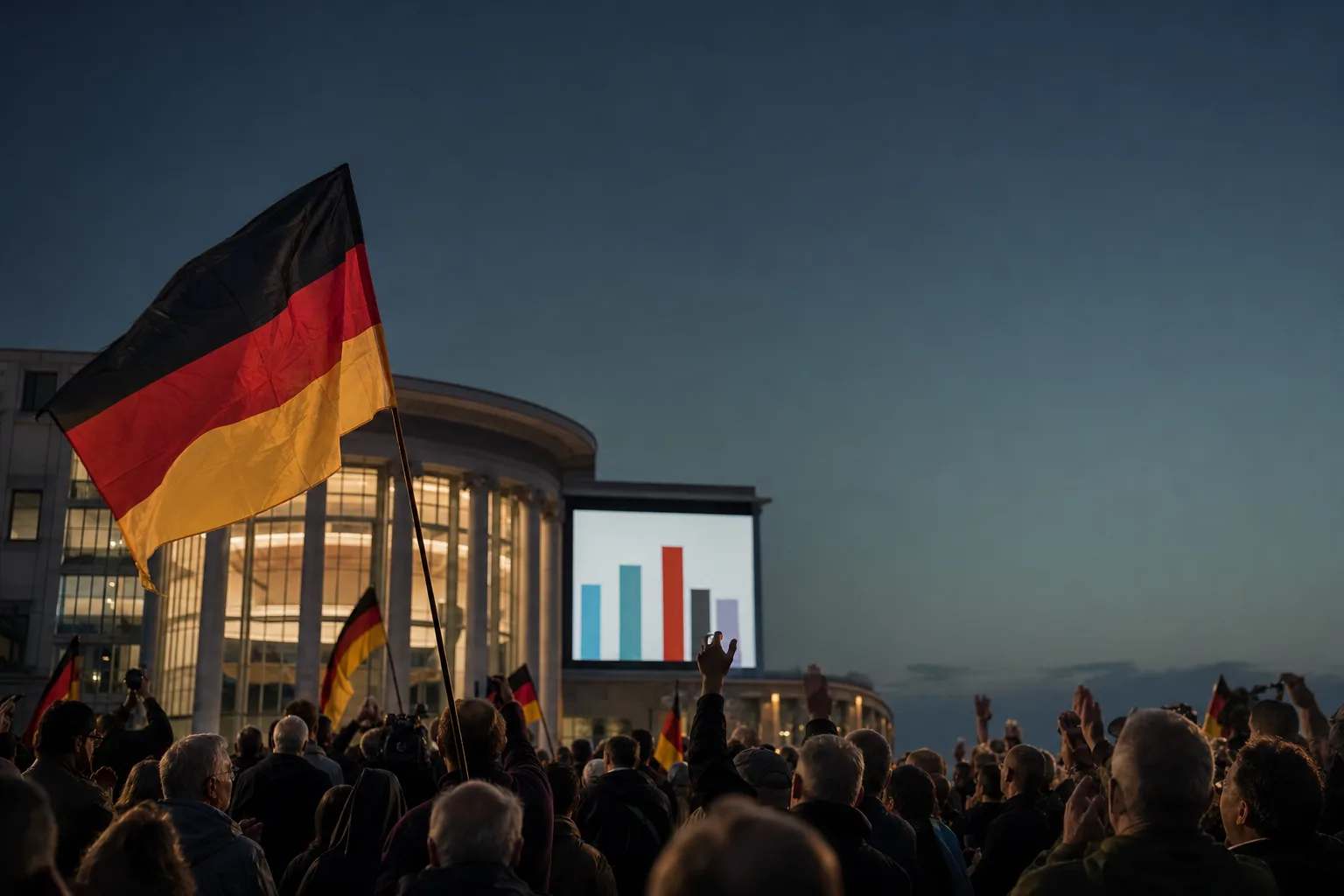
On September 6, 2026, Alternative für Deutschland (AfD) secured a major electoral victory in the eastern German state of Saxony-Anhalt. For the first time since World War II, a far-right party is on the verge of exercising power at the state level. AfD won around 44% of the vote, yet missed an absolute majority (Landers, Sagalyn, & Kopelev, 2026). AfD has traditionally advocated stricter border controls and the deportation of refugees and asylum seekers.
This marks a turning point for Germany and the EU. It shatters the post-1945 taboo surrounding right-wing movements and severely destabilizes the leadership of the EU’s largest economy. For the broader European right-wing movement, the victory symbolises populist momentum converting into tangible political power.
AfD and German politics
AfD’s result represents a major blow and humiliation for the Christian Democratic Union (CDU), led by Chancellor Friedrich Merz, who described the elections as a “shock”. AfD doubled its vote share in Saxony-Anhalt from 21% to 44% in just five years, taking 83,000 voters from the CDU this year (Goldstein & Cameron, 2026). Exit polls showed that voters were angry over the cost of living and the economy. Inflation and the conflict in Iran have pushed up energy prices. Merz is also the most unpopular Chancellor since 1949. Nevertheless, the major political parties have refused to cooperate with AfD, making it unlikely that the party will actually take control of the state government.
On September 20, voters in Berlin and Mecklenburg-Western Pomerania are expected to go to the polls. Widespread dissatisfaction with Merz and his alliance with the Social Democratic Party (SPD), the CDU’s junior coalition partner, could bring another blow to the federal coalition (Cole, 2026). SPD leader Lars Klingbeil said retirement age, taxation, and bureaucracy will need to be reconsidered (Goldstein & Cameron, 2026). Nevertheless, AfD’s dominance reinforces the perception that the federal government is losing control over key issues such as migration and the economy while failing to offer a clear alternative (Schaumann, 2026). This directly impacts CDU’s Brandmauer (“firewall”) against AfD.
AfD and Europe
Germany is likely to reduce engagement with common European issues, strengthening opposition parties’ positions. AfD’s rise also raised concerns among Germany’s neighbours. For example, Poland’s Foreign Minister Radosław Sikorski said AfD’s election victory could be a “cause for concern” for Germany’s current rearmament, warning that a “rearmed Germany in the hands of a far-right” party evokes the historical circumstances that led to World War II. Germany is regularly reminded of its 20th-century history. France may also be concerned about AfD’s euroskeptic approach, which could lead to significant disagreements with Paris, particularly on European defense (Goldstein & Cameron, 2026).
The rise of AfD could influence next year’s legislative elections in France, Poland, Spain, and Italy by sending a positive signal to local right-wing movements. Spanish Prime Minister Pedro Sánchez described the September 6 elections as a warning about the far-right threat gaining traction, while French Foreign Minister Jean-Noël Barrot urged governments to address public discontent to curb the popularity of radical movements (Ran, 2026). Thus, the rise of the far right is a pan-European challenge, particularly for liberal and left-leaning coalitions, pushing European politics toward more conservative, nationalist, climate-skeptic, and euroskeptic positions.
Europe’s Far-Right Responds
AfD’s victory drew positive reactions from Santiago Abascal, leader of Spain’s Vox party; André Ventura of Portugal’s Chega; Geert Wilders of the Dutch Freedom Party (PVV); and Italian Deputy Prime Minister Matteo Salvini (Brussels Signal, 2026). Nevertheless, France’s Rassemblement National, Reform UK, and Italy’s Fratelli d’Italia distanced themselves from congratulatory messages to avoid reputational damage because of AfD's associations with extremism. Thus, while some parties openly embrace AfD’s success, others pragmatically protect their own political legitimacy.
Bibliography
- Brussels Signal (2026). Europe’s sovereigntist leaders hail AfD landslide in Saxony-Anhalt. Brussels Signal
- Cole, D. (2026). Why is the far-right AfD’s state victory significant and what might happen next in German politics? The Guardian
- Goldstein, T., Cameron, I. (2026). The AfD’s Victory in Saxony-Anhalt and the Outlook for German Politics, Trade and Economic Policy. Steptoe Risk Outlook
- Landers, L., Sagalyn, D., & Kopelev, S. (2026). Far-right AfD win signals shift in Germany, raises alarm in Europe. PBS NewsHour
- Ran, Y. (2026). AfD’s victory signals far-right surge set to reshape Europe, experts say. China Daily Hong Kong
- Schaumann, T. (2026). Saxony-Anhalt Election: What It Means for Germany and the EU. European Policy Centre
Germany · Europe · AfD · Far Right · Elections
About the Author
Alexandra Eleferenkois a contributor to Casa Margo Communications Group, writing on European politics, security, and the shifting dynamics of the continent’s democracies.